
 Posted by
The solar industry of India is continuously becoming more competitive, meaning EPCs cannot depend solely on regional sales anymore. Companies are continuously expanding their operations and winning over customers. So, you must learn how to explore new regions and tap into opportunities beyond familiar markets with the help of AI co-workers to outperform competition.
Companies like Prozeal, Tata Power, and ReNew Energy Global are already exploring business in countries like Africa. It highlights how geographical expansion is becoming an important growth strategy for EPCs. With the integration of AI employees, you can boost your operational capacity and customer engagement rate without mass hiring.
Why Solar EPCs Need to Look Beyond Their Home Markets?
Solar companies can now find sales opportunities beyond their production cities. They need to tap into new markets and eventually compete with international companies to grow and sustain in the long run.
Increasing Competition
Customers are now increasingly inclined towards sustainable solutions, such as solar panel installations. At the same time, new suppliers are regularly coming up, making it difficult to grow within the same geographical location. Instead of fighting for the same customers, it is crucial to identify new opportunities before your competitors do.
Limited Regional Growth
Every region has its limitations. As an EPC, you can only reach a limited number of customers through your existing network. Once you have established yourself in your home region, it is essential to enter new states and explore the opportunities.
International Markets Are Opening Up
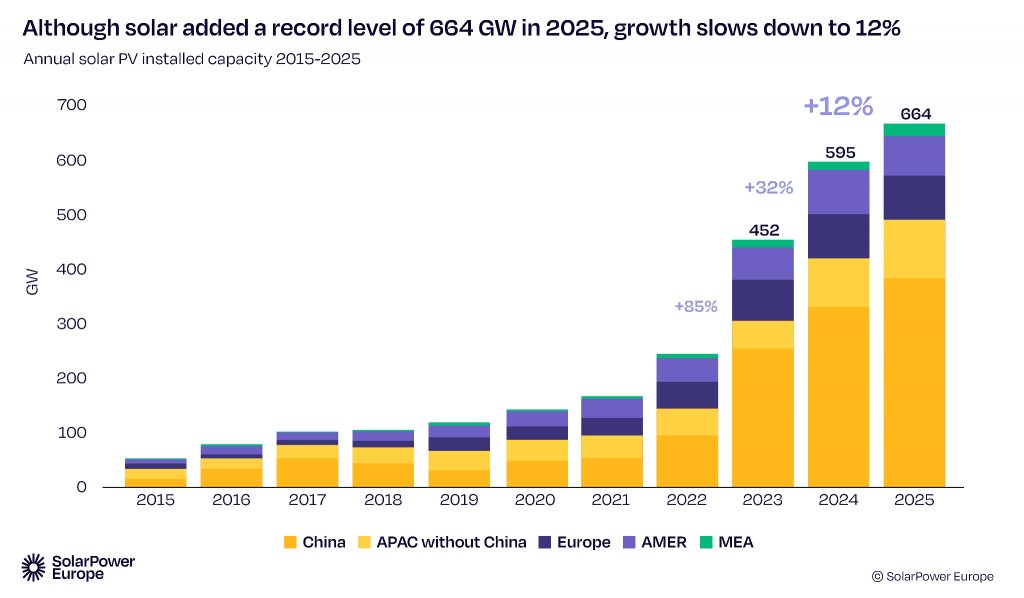
According to the Solar Power Europe report, solar energy contributes 9% to the global electricity demand in 2026. It only creates opportunities for EPC companies to expand their business beyond the domestic market. This international expansion helps companies diversify their sources of revenue and build a strong presence in the global market.
Indian EPCs Are Already Expanding Beyond India
Indian solar companies are already moving to other countries to expand their sales outreach and boost revenue. Some of the prominent examples are:
Insolare
InSolare expanded its business in the UAE by signing a Strategic Joint Venture Agreement with Dome Group. It aims to deploy large commercial and industrial solar PV projects along with utility-scale projects across countries like Oman, Kuwait, Qatar, Bahrain, Yemen, and Iraq.
Prozeal
Prozeal already holds a decade of experience in renewable EPC sales and distribution. Apart from actively working in over 17 Indian states, the company has expanded its operations to the Middle East, Nepal, and Europe.
Tata Power
Tata Power runs its operations in South Africa since 2013, after it formed a joint venture with Exxaro Resources Ltd. Their aim remains to develop, own, operate, acquire and manage power generation facilities in South Africa, Botswana and Namibia.
The above-mentioned expansions work as a lesson for other EPC companies to enter new markets. But more prospects do come with roadblocks that need to be handled before profits come pouring in.
What Makes International Expansion Difficult?
Moving into international markets introduces operational challenges for EPC companies. They may hold the technical expertise, but not the capacity to handle a large customer base.
Managing Leads Across Markets
If you want to expand globally, your teams need to identify the right prospects and understand their requirements to generate and manage more leads. Without looking into the potential customer base or interacting with them, you will lose out on opportunities.
Building Local Customer Relationships
The expectations, buying processes, and requirements are different for every customer market. EPCs have to build enough trust if they want to establish their presence in new regions.
Handling Follow-Ups at Scale
Follow-ups are an important part of turning quality leads into paying customers. However, this process becomes difficult as the leads increase. A sales team cannot comfortably handle all the enquiries and will struggle to maintain a conversation, especially when handling customers in multiple countries.
Managing Different Requirements
Every international market brings its own set of challenges, customer expectations, requirements, and business processes. Your team has to keep track of these differences without impacting the operations, which becomes extremely difficult to handle manually.
So, how can your EPC employees overcome these challenges and help you build a strong presence internationally?
How AI Co-Workers Help EPCs Expand Faster
AI co-workers boost an EPC’s operational capacity as they enter new territories. A tech integration helps take care of repetitive tasks instead of mass hiring and inflating the budget. An The AI employee handles new leads and follows up with existing quality leads. At the same time, employees can focus on strategic tasks that require human involvement.
Find and Qualify New Leads
An AI co-worker helps businesses identify potential customers from various sources and qualify them according to a set criteria. It enables your sales team to focus their attention on prospects who are more likely to purchase from you.
Automate Customer Follow-Ups
An AI co-worker can continue interacting with potential clients after their first interaction and follow-up on their requirements. It allows your company to maintain consistent communication with every client, even when dealing with leads from multiple markets.
Support Local Sales Teams
Once you enter a new country, your sales team needs support with lead research, customer communication, information sharing, and follow-ups. An AI employee is capable of handling these regular interactions and allowing more time for the sales representative to focus on meetings and negotiations. It helps build long-term relationships with customers by making them feel heard and seen.
Manage Customer Conversations
Your AI co-workers can respond to regular questions, collect basic information, share necessary details, and guide potential customers through the next steps. It allows your sales team to maintain customer engagement even while dealing with different markets at the same time.
Keep Operations Moving Across Markets
Global expansion is about more than generating leads. You interact with more customers, follow up with them, take up on service requests, and coordinate tasks between teams. Although it sounds tough for a manual team to handle all by itself, your AI co-workers can simplify the process. They handle repetitive tasks and allow businesses to maintain operations as their geographical reach increases.
Final Thoughts
The next step in your growth plan may not be about competing harder in the existing market. It may come by stepping out of your comfort zone and entering new demographics and reaching different customer segments. However, geographical expansion brings operational complexity with itself. That’s where AI co-workers help EPCs by improving lead generation, follow-ups, customer conversations, and repetitive workflows. Companies can move beyond their existing capabilities and create a stronger foundation for global growth.
By collaborating with Vaayushop’s AI employee Kavya, you can start expanding to international markets and generate more revenue.