
 Posted by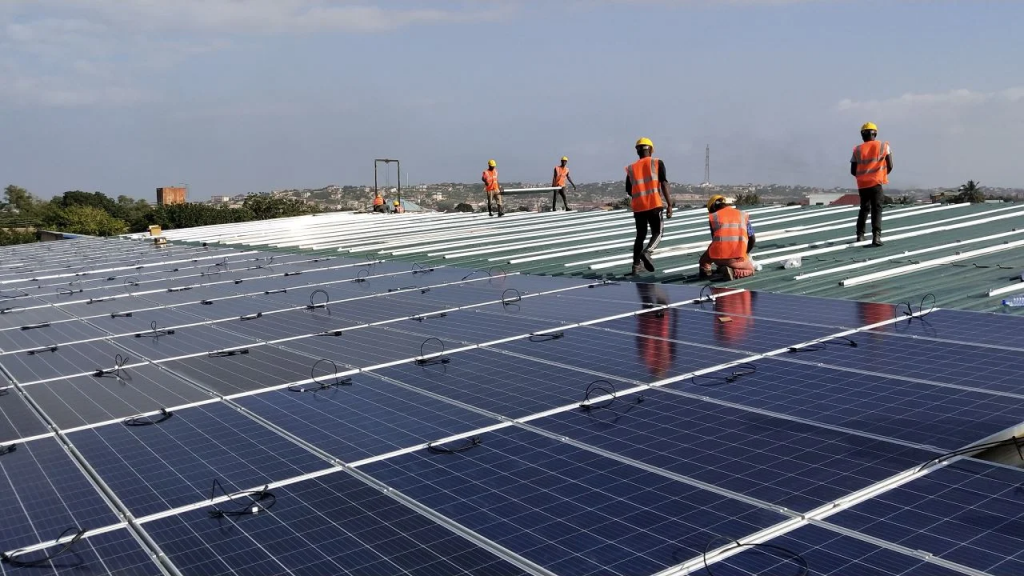
The renewable and transmission sectors are struggling with a significant shortage of skilled workers, with a current shortfall of 1.2 million. In fact, it is expected to increase to 1.7 million by the next year.
This high attrition in solar companies results in increased recruitment and training expenses and a potential abruption to productivity. The reason? Not many employees are interested in sticking to the same company for a long time. They constantly struggle with slow career growth or job dissatisfaction and look for better offers from competitors. Rather than working for the same salary, they switch for quick hikes or take up side hustles like cab driving or delivery services.
The increasing employee turnover in solar and EPC industries can easily undermine India’s climate commitments of 2030, and halt its plan of turning into a clean energy epicentre.
So, what’s the road ahead, and which strategies can solar companies implement to keep going despite the increasing attrition rate?
Why is the Employee Turnover in Solar and EPC Companies Increasing?
For sustainable growth, employee retention is just as important as increasing your installation capacity. The field that demands long-term outdoor exposure and extended working hours, attrition isn’t surprising.
Here is why employees are actively searching for better opportunities:
Challenging Working Conditions
Semi-skilled workers have the most difficult job profile. They have to stay on the ground for prolonged hours for sight inspection and solar panel installation. There’s an increase in burnout and ultimately, quitting the organisation seems like a better deal over health.
Competitive Labour Market
The solar industry is rapidly growing, and companies are poaching the best resources. If your direct competitors offer better salaries and growth opportunities, the employees will quickly move out.
Better Side Hustle Options
Today, a person working in EPCs has many choices. They can get jobs as cab drivers or in offices with desk jobs. Nobody feels that the income from a single job is enough. Everyone is constantly looking for additional income that can support their lifestyle. But when those hustles take the centre stage, employees quit their stable jobs.
Quick Industry Expansion
With clean energy initiatives in place, the solar and EPC industries are booming, and there’s a constant demand for semi-skilled workers. As a result, the professionals are constantly switching, looking for a job that fits better.
What is the Impact of High Attrition on Companies?
As the employees are constantly quitting one job and taking up another, it is not just an HR issue anymore. Solar and EPC companies are constantly struggling, trying to keep up with the demand for clean energy products.
Here is how the increasing attrition rate is affecting solar companies:
Recurring Recruitment and Training Expenses
Constant employee turnover in solar and EPC industries means the entire hiring process repeats, leading to increasing recruitment costs. Additionally, whenever new employees are hired, they have to undergo a few weeks of training, especially when working in a field like solar and EPC. It significantly adds to the company expenses and reduces profit margins.
Lack of Operational Efficiency
New hires take some time to reach the same efficiency level that companies were experiencing with the old members. Even managers cannot expect the same level of operational expertise with only a few days into training. It results in a slowdown of production and significant project delays.
Decrease in Product Quality
Overworked or undertrained staff members might not deliver the same quality that the older employees were offering. It can lead to an instant decline in the product and service quality, resulting in customer dissatisfaction.
Slowdown of Project Execution
When a set of employees are working and others are still learning, the projects might not get executed on time. There can be a significant delay in deliveries, impacting your position in the market.
These challenges are even more serious for SMEs, as they have to work within tighter budgets.
How Can Companies Build Their Own Resource Pool?
All the attrition-related problems lead to a single conclusion: project delay. Although you cannot forcefully stop employees from leaving the organisation, you can strategise and mitigate this workforce crisis.
Here is what you can do to compensate for the rising attrition in solar and EPC industries:
Improve Productivity Without Hiring
As the project volume increases, there’s a constant need to expand workforce capacity. However, companies do not necessarily have to invest in mass hiring and can rather improve productivity through AI-enabled workforces.
For example, a job that requires 5 workers will now require 3 workers, and the rest of the tasks will depend on AI-enabled tools. AI as a co-worker is productive, reducing the burden of continuous hiring.
Speed Up Training Process
You can create an AI-based training programme that provides instant access to SOPs and project history, helping new hires become familiar with the company and its workings quickly.
Reduce Employee Burnout
When you depend on workers for repetitive tasks, they become overburdened with excessive workloads. It gives rise to employee burnout and a need to look for instant remedies. You can leverage AI to automate routine tasks, allowing employees to focus on strategic tasks.
Invest in a lean team today for a lower employee turnover in solar and EPC industries tomorrow.
Key Takeaways
The rate of attrition in solar and EPC companies is going up constantly, regardless of how fast the industry is growing. It creates a significant gap in the employee demand and supply. However, when companies expand their operations through AI-enabled workflows, they can expect better productivity and efficiency without heavily investing in mass hiring.
When the solar companies are looking for expansion, AI as co-workers plays a significant role in accelerating the pace.