
 Posted by
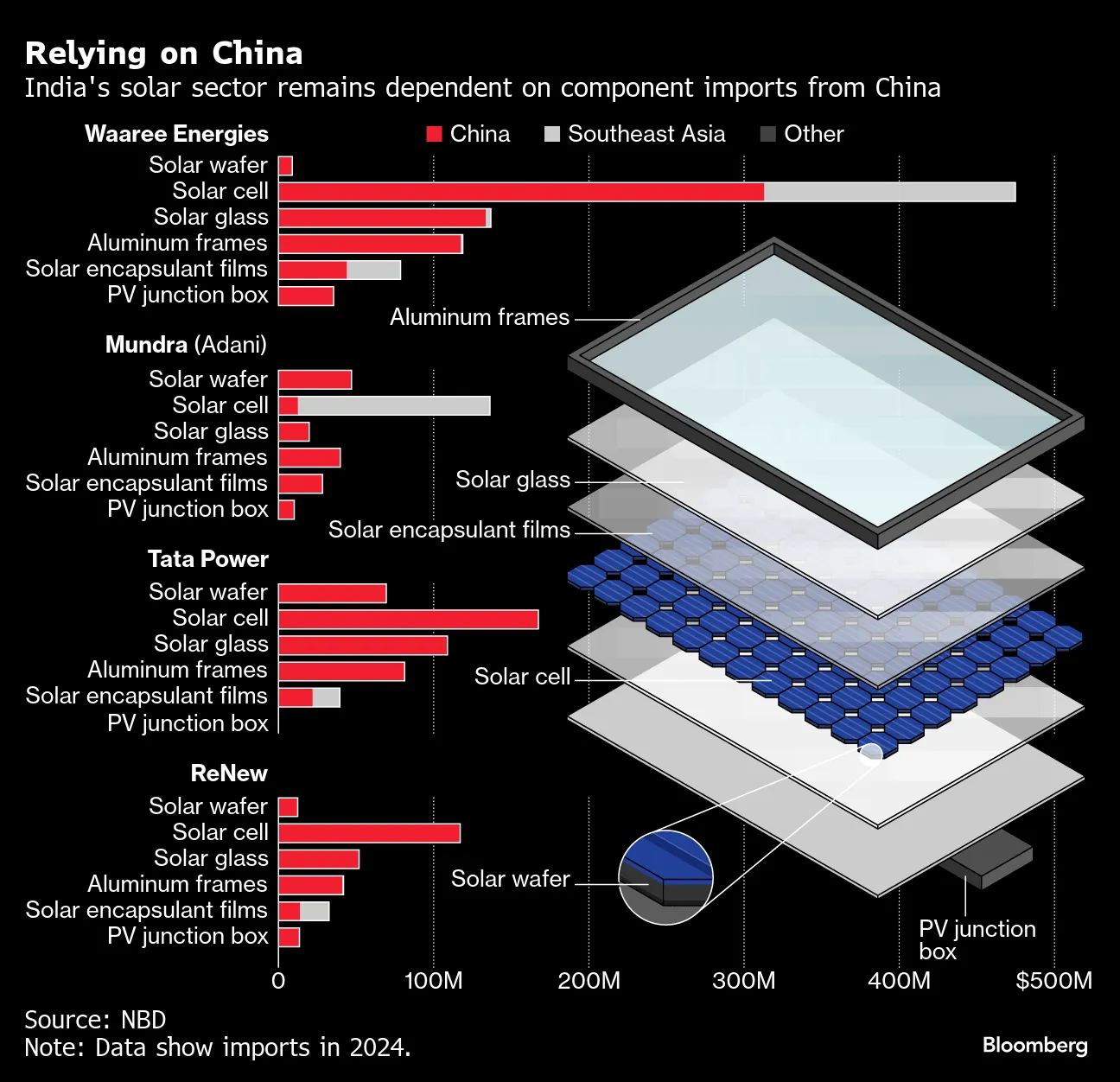
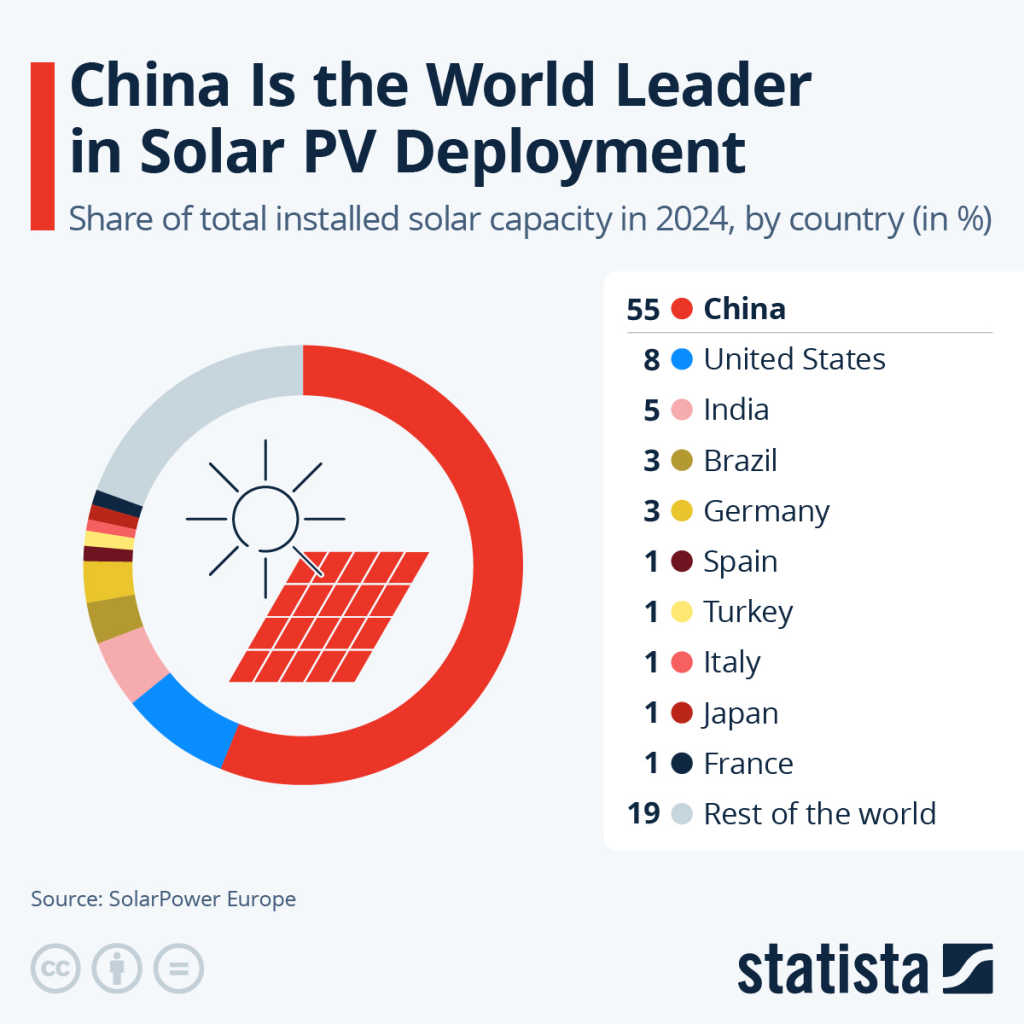
China has been the leading supplier of solar PV components for a few years, providing cells, panels, mounting structures, and wiring to other nations. Producing 80% of the components and continuously fulfilling the global demands, China is supporting the adoption across Indian, US, and European markets. However, this dependency on China for raw materials has increased the imbalance between supply and demand. As a result, companies are entering an unsaid solar price war where everyone is lowering their prices just to survive.
But the result? Profit margins are reduced, small-scale companies struggle, and traditional methods don’t work anymore. In this race, the winners won’t just be the cheapest. They will be the most efficient and quick, especially those integrating AI to analyse demand and scale faster.
Why is the Solar Industry Facing a Price War?
China’s solar exports are impacting the Indian industry, where companies are trying to survive while lowering their margins. The primary reasons why this price war is happening in the first place are:
Overproduction Capacity
The leading Chinese manufacturers like JinkoSolar, LONGi, and Trina Solar have quickly expanded their production capacity. JinkoSolar shipped 13.7 GW in the first quarter of 2026. When China has an excess supply, they lower their prices to sell off inventory (often of inferior quality). As a result, cheap components flood the Indian markets, and end customers expect a lower bargain.
Low Profitability
To maintain a market share, Indian solar companies start operating at thin (and sometimes negative) margins. It can deepen their financial crisis and lead to struggling operations. Even if you can operate for some time at low profitability to drive sales, long-term sustenance is uncertain.
Uneven Demand
Even if the demand for solar energy is high, it still hasn’t reached the manufacturing capacity. As a result, there is a mismatch between demand and supply, leading to price disturbances.
Rising Raw Material Cost
The finished solar module prices are falling, but the cost of raw materials is significantly high. As a result, the margins fall sharply, just to stay competitive enough.
Who Will Win The Solar Price Competition?
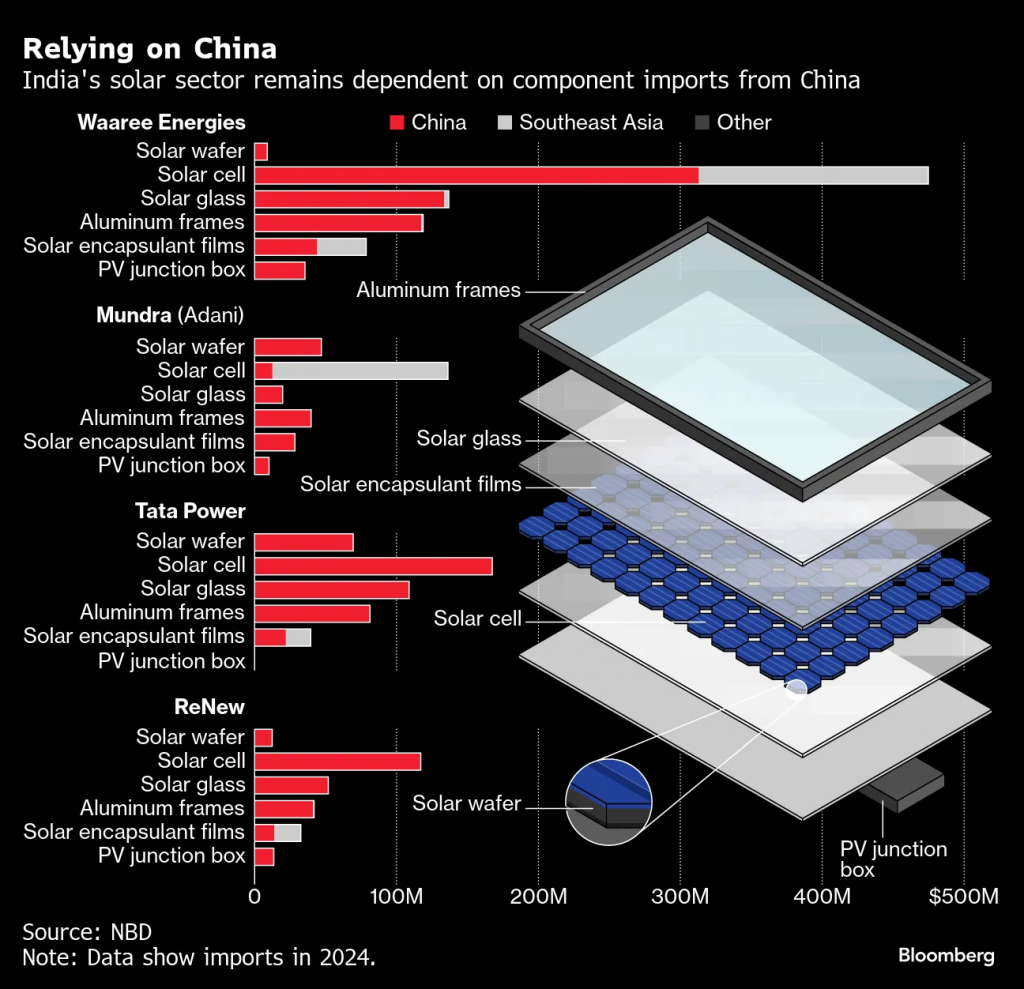
(Source: https://assets.bwbx.io/images/users/iqjWHBFdfxIU/icwaNhKrrx.8/v3/-1x-1.webp)
In 2026, Indian solar companies are already facing price challenges due to a significant jump in Chinese import prices. RenewSys is a recent example: an Indian company thinking seriously about the costly air freight to maintain its production. The price volatility is hurting companies that have not planned in advance.
As a result, they have to lower their prices and cut margins just to survive. So, who will finally win this race and come out stronger? They are the ones who think quickly and smartly. Winning companies know how to:
Control Cost
Learn how to optimise your operational expenses despite the ongoing price volatility and focus on margin protection instead of aggressive discounting. Such cost-efficient moves can serve as a long-term advantage, especially when the market is highly unpredictable.
Anticipate Early
As a company trying to not only survive but thrive, learn how to forecast the demand and plan your inventory accordingly. It can help save on expensive last-minute costs like air freight. Additionally, focus on taking data-driven decisions instead of damage control, so you end up making more profit.
Hire Lean Teams Without Impacting Output
You don’t require large-scale teams to thrive in today’s solar industry. When the world is leaning towards automation, learn how to close more deals and handle fresh leads with a smaller team. This low reliance on resource-extensive teams helps companies reduce their fixed costs.
Leverage AI for Smart Operations
You are already winning if you know how to use AI for optimising prices, predicting demand, and generating quality leads. AI is known to derive data-driven insights, saving you from manual time and effort.
How Can AI in Solar Industry Help Companies Stay Competitive?
Human expertise is indispensable when it comes to increasing sales and profit margins for solar companies. Adding AI into the workflow does not change it but adds to the operational efficiency. Here is how:
Smarter Demand Forecasting
Companies can leverage historical and current data to predict demand. An AI tool analyses the information and offers smart output, minimising overstocking or high-cost procurement. So, instead of putting up heavy discounts, they can strategically adjust the prices from the start.
Reduced Operational Expenses
Leverage AI tools to automate repetitive tasks like customer handling and data cleaning. It reduces the fixed costs associated with larger teams. Once the manual dependency reduces, the chances of errors also drop, helping you maintain margins even when the prices decrease in the market.
Increased Customer Acquisition
AI-driven lead generation increases the ability to target 1000s of customers simultaneously. It offers a personalised outreach and helps identify high-quality leads. As a result, the conversion rate also increases, improving the profit margins gradually.
Leaner Teams with Better Output
Several companies feel that heavy hiring is necessary to generate better leads. However, small teams can handle lead generation just as effectively, provided they leverage AI-enabled tools. AI helps sell more with a lean team and saves on operational costs.
AI-driven solar business growth – A Clear Winning Strategy
The solar price war is dependent on China’s oversupply and is here to stay. But a company will not win when it solely relies on automation. The key is to strike the right balance between human talent and AI efficiency. Those who learn how AI can save profit margins and reach more customers without operating with a huge team can save costs and stand out.
Partnering with Vaayu AI can help solar companies scale smartly whilea maintaining a lean time. In the end, success in this market will belong to those who use AI to stay efficient, agile, and ahead of the competition.