
 Posted by
The ongoing confrontation between Iran and other countries has shown that the world needs to stop treating oil as a reliable energy source. If the Strait of Hormuz experiences disruptions, oil prices will surge sharply.
As a result, petrol and diesel will become much more expensive, transport costs will increase significantly, and living expenses will rise. In these circumstances, Many people will likely start considering electric cars as an alternative mode of transportation.
As fuel prices rise, consumers and businesses are forced to rethink their choices, with global EV demand offering a more stable and cost-effective alternative to traditional fuel-powered transport.
What Iran’s War Is Doing To Fuel Prices And Global EV Demand
The situation with Iran has made the region less stable, making it much harder and riskier to ship oil globally. Several interruptions in the Strait of Hormuz have increased oil prices. Fuel price increases also affect car preferences. As petrol prices rise, global EV demand has increased, driven by consumers seeking electric vehicles because they require no fuel.
Consumer behavior begins to shift. People start looking for alternatives that are less exposed to fuel price volatility. Electric vehicles naturally emerge as a strong contender because they run on electricity, which is typically more stable in price than oil.
BloombergNEF research shows that rising fuel prices push consumers toward EVs in locations with better infrastructure and more models to choose from. A JATO Dynamics representative said rising oil prices could increase EV interest in the medium term.
How the Global EV Demand Surge Took Place
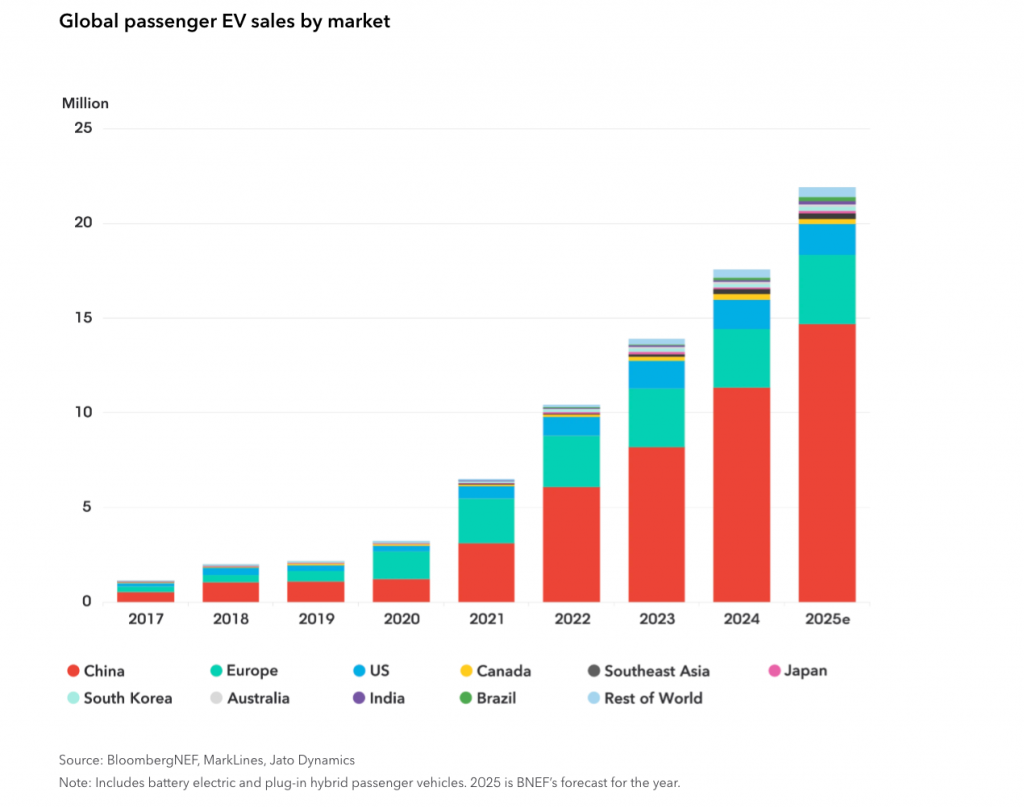
During January and February 2026, global EV demand surged to 2.2 million units. While there was an impressive 21% increase in EV sales in Europe, North America registered a steep decline in the number of EVs sold (-36%), as did China (-26%).
According to a McKinsey analysis, global EV sales could expand from 6.5 million in 2021 to around 40 million annually by 2030.
These variations highlight an important reality that EV growth is influenced by multiple factors, including government policies, infrastructure readiness, and local economic conditions, not just fuel prices.
BloombergNEF expects over 100 million electric vehicles on the road by 2026 and 700 million by 2040.
- Changing Map of EV Markets
A single global battle does not equally increase the need for electric vehicles (EVs) worldwide, as different regions are affected by unique sets of factors, such as policies, infrastructure, and fuel costs.
Electric vehicles have been very successful in China, with some months in 2025 recording more than 50% of sales from BEVs. Although growth has stalled slightly, by 2026, China will continue to record the highest EV sales worldwide.
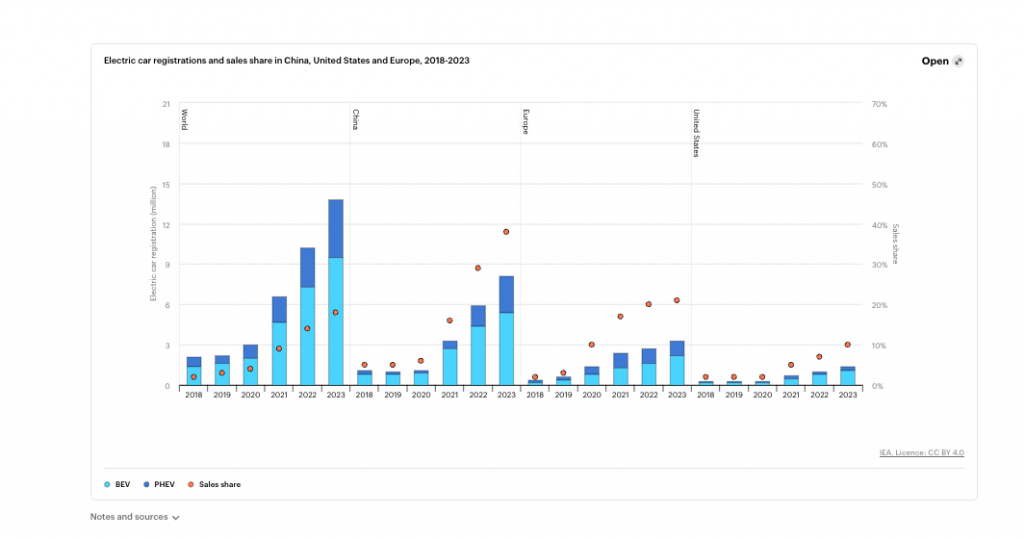
The European region continues to experience steady growth in EV demand, despite total sales declining in early 2026.
However, emerging economies such as India continue to experience sales of affordable two-wheelers and buses. Global EV demand is rising unevenly.
EV Benefits During The Fuel Crisis Amid Rising Global EV Demand
With increased fuel prices, electric vehicles become much more viable. Although battery electric vehicles (BEVs) cost more initially than internal combustion engine (ICE) vehicles, they remain much more affordable to operate. The disparity between these two becomes higher during these periods, as EVs benefit during a fuel crisis.
In regions such as Europe and India, electrical prices do not have a direct correlation with oil prices. EV users benefit from lower, more stable operational costs despite fluctuation.
- Protection against fuel cost volatility
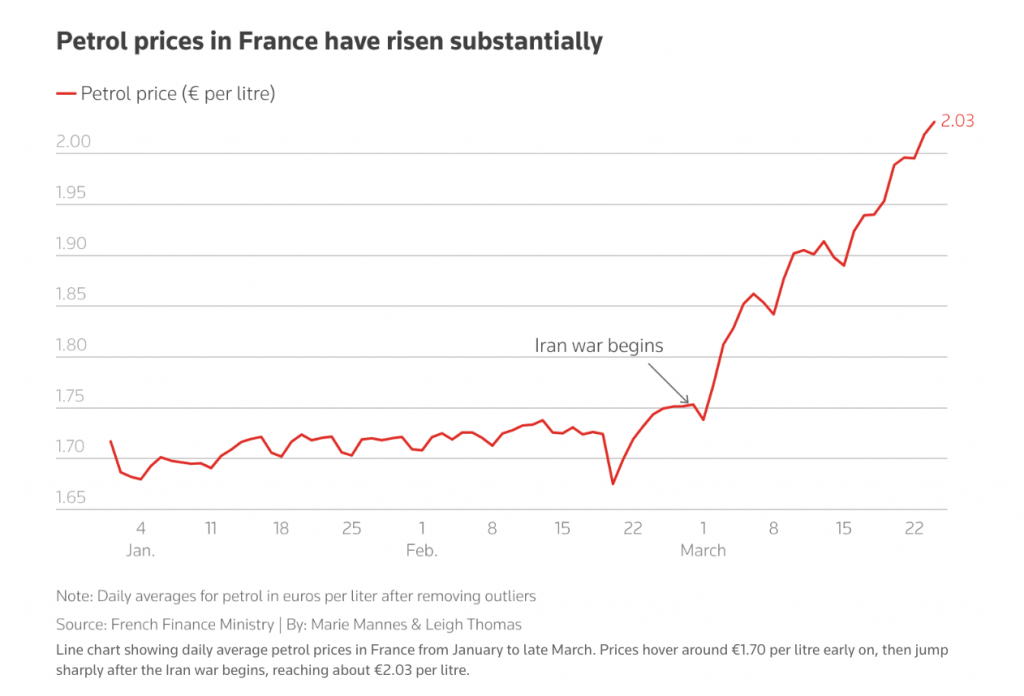
Electric cars do not depend on gasoline prices because they run on electricity. As fuel prices rose in early 2026, many Europeans shifted to EVs to cut costs. Petrol car sales fell, while EV sales surged in France.
- Higher Total Cost of Ownership (TCO)
Electric cars may cost more upfront, but their TCO will be lower than that of traditional vehicles. According to reports, EVs will be as affordable as traditional cars in a few years. However, with high fuel prices, EVs become cheaper much faster than other cars.
- Second-hand electric vehicles (EVs) as a transition method
Second-hand EV prices are dropping, offering the benefits of low operating costs. They can be an excellent choice for those looking to reduce fuel consumption without buying a new, expensive car. Fuel price increases are also driving growth in global EV sales.
How AI Co-workers Help Business Productivity with Digital Workers, With Global EV Demand
The increasing demand for electric vehicles has created complexity across the EV value chain.
The growing demand for efficient operations to support product inquiries, inventory, and pricing related to consumer purchases has created an increasing need for businesses to access this information. The use of AI digital workers for business operations is becoming a necessity to help resolve these challenges.
- Evaluate market trends, including changes in fuel costs or government regulations.
- Identify anticipated market movement in the demand for electric vehicles.
- Automate ongoing customer interactions and associated customer service activities.
- Optimising how you manage your inventory and pricing strategy will create many new opportunities to improve your efficiency and profitability.
For example, as fuel prices continue to climb and consumer interest in electric vehicles increases, an AI-powered system may help your business identify the highest-priority leads to pursue, accurately provide product information to consumers, and streamline the sales process.
Research has shown that AI can increase employee productivity by up to 66%, especially when supporting new employees.

Businesses are experiencing increased complexity as they try to respond to the growing adoption of electric vehicles and to market fluctuations. By using AI to analyze data from various sources on how demand for electric vehicles will be influenced by changing fuel prices, government policies, and historical sales, they can target all of those areas.
In addition, using AI to automate operational activities such as pricing, inventory management, or customer recognition will give the business back time to perform other tasks.
Conclusion
Global conflicts, such as those involving Iran, can encourage even more people to use EVs. However, this phenomenon is not new; for example, after the 2022 Ukrainian conflict, the rise in gasoline prices made electric cars more attractive.
Now the difference is that electric vehicles are already more developed both in terms of technology and infrastructure. An increase in EVs’ demand would inevitably create more intersections with technologies such as AI.
Therefore, companies should be prepared for such developments by designing EV-based infrastructures and implementing an AI workforce to handle demand changes. The cost of fuel can increase abruptly at any time; thus, what is important is not only EV acquisition but readiness for rapid demand shifts.